Storytelling is not simply a language skill. It is a form of reasoning. Recognizing these strengths helps shift how we think about writing instruction and creative expression.


![Creativity and Episodic Memory [Premium]](https://www.dyslexicadvantage.org/wp-content/uploads/2026/01/Creativity-and-Episodic-Memory-3-400x250.png)
![Doodling Biology [Premium]](https://www.dyslexicadvantage.org/wp-content/uploads/2026/01/Doodling-Biology-1.png)
![Finding What Works for You [Premium]](https://www.dyslexicadvantage.org/wp-content/uploads/2026/01/Finding-What-Workls-For-You-400x250.png)
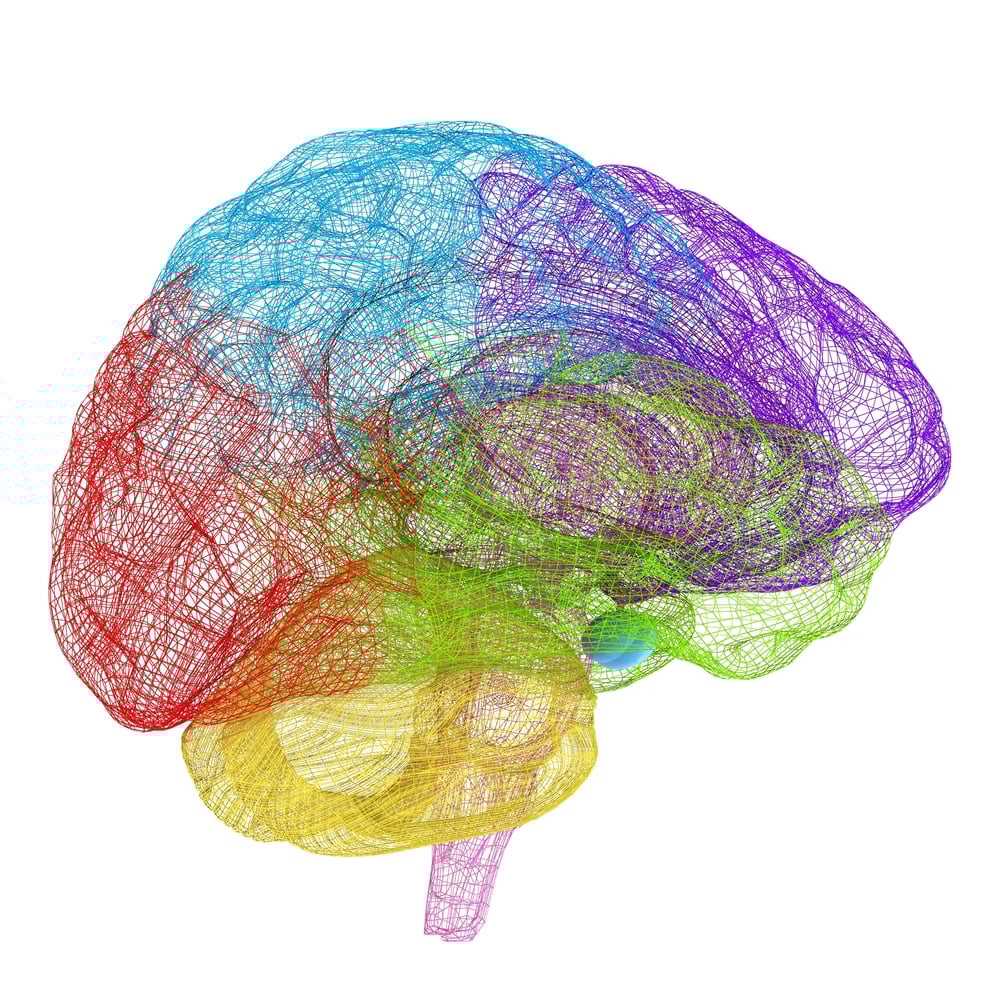
BBC Science: "...artists had increased neural matter in areas relating to fine motor movements and visual imagery. The research, published in NeuroImage, suggests that an artist's talent could be innate...these detailed scans revealed that the artist group had...
![Dyslexia: Wired for Photography [Premium]](https://www.dyslexicadvantage.org/wp-content/uploads/2025/01/Wired-for-Photography-400x250.png)
“It’s something that defined me. Dyslexia made me more visual.” – National Geographic photographer Robert Clark Are dyslexic people wired for photography? It’s easy to see how many people might agree. Many dyslexic people describe their preferred ways of processing information as nonverbal rather than verbal. Visuals may make up a significant part of that processing preference; other ways may be kinesthetic or spatial. In his interview with MSNBC, Robert Clark recalled daydreaming in class and not focusing on what was written on the board. What he noticed instead was a pattern of light moving across the wall. I had the chance to ask him about that in an interview: “(I was) in a room where the lights were turned off and there was a […]
![The Challenge of Raising Creative Dyslexics [Premium]](https://www.dyslexicadvantage.org/wp-content/uploads/2024/12/creativity-dyslexia-338x250.png)
One of the most consistent findings in educational studies of creativity has been that teachers dislike personality traits associated with creativity. Research has indicated that teachers prefer traits that seem to run counter to creativity such as conformity and unquestioning acceptance of authority.
![Creativity and Its Connection Dyslexia, ADD / ADHD, and Low Working Memory [Premium]](https://www.dyslexicadvantage.org/wp-content/uploads/2018/03/Screen-Shot-2019-08-30-at-10.49.07-AM.jpg)
Creative companies and groups seem to have higher than average representation of people with dyslexia, ADD/ADHD, and low working memory. Dyslexia is associated with increased divergent and exploratory thinking, but what does ADD/ ADHD or low working memory have to do with creativity? A tech person might ask – is it a bug or a feature? We think it’s a feature, just like dyslexia.If dyslexia, ADD/ADHD and low working memory were all bad, you wouldn’t see an over-representation in creative industries. Attention and working memory have been suggested to be two sides of a neural coin. While attention is like a spotlight directed at certain parts of the outside world, working memory is like a spotlight directed at internal thoughts, information, or instructions. HIGH FUNCTIONING […]

"It's a different way of seeing the world and it's very powerful. What I want to get across is it's more of a gift. It's not a struggle. It's not a disease. It's not a thing that prevents you from doing well in life." — Andrew Reeves, Architect and CEO of Linebox...

“I loved being innovative and I loved discovering new ways to interpret the flowers…you have to solve one technical problem after the other….pay attention…and follow what is interesting to you…” — Paul Stankard, Master Glass Artist Paul Stankard is a pioneer in glass art and his works can be found at the Smithsonian, Metropolitan Museum of Art, the Louvre, and Corning Museum of Glass among others. When he struggled in school with unrecognized dyslexia, he just thought he was stupid. It wasn’t until he was around the age of 27 that he heard then decathlon winner Bruce Jenner talk about his struggles in school that Paul recognized that he was dyslexic too.
Paul’s father was a chemist and he and his mother […]![Not the Standard Track: Extracurriculars and Work Experience [Premium]](https://www.dyslexicadvantage.org/wp-content/uploads/2024/04/Extracurriculars-and-Work-Experience-Premium-1-400x250.jpg)
![Fostering Creativity: The Early Life of Chuck Close [Premium]](https://www.dyslexicadvantage.org/wp-content/uploads/2024/04/Fostering-Creativity-The-Early-Life-of-Chuck-Close-DAs-400x250.jpg)