Many of the world’s greatest innovators are dyslexic. These creators with a capital ‘C’, more often than not, arrive at their conclusions through wild leaps of their ideas rather than incremental, step-by-step invention. This pattern, which appears in so many accomplished people in every type of field and discipline, should be telling us what to look for in its raw form in young people, and what the end goal of the educational process should really be. A great case in point in Google’s X Lab Captain of Moonshots, Astro Teller. Astro doesn’t talk a lot about his dyslexia, but he did relate this story about his dyslexia at an educational conference: “As a student in school, I fell into the habit of doing things […]
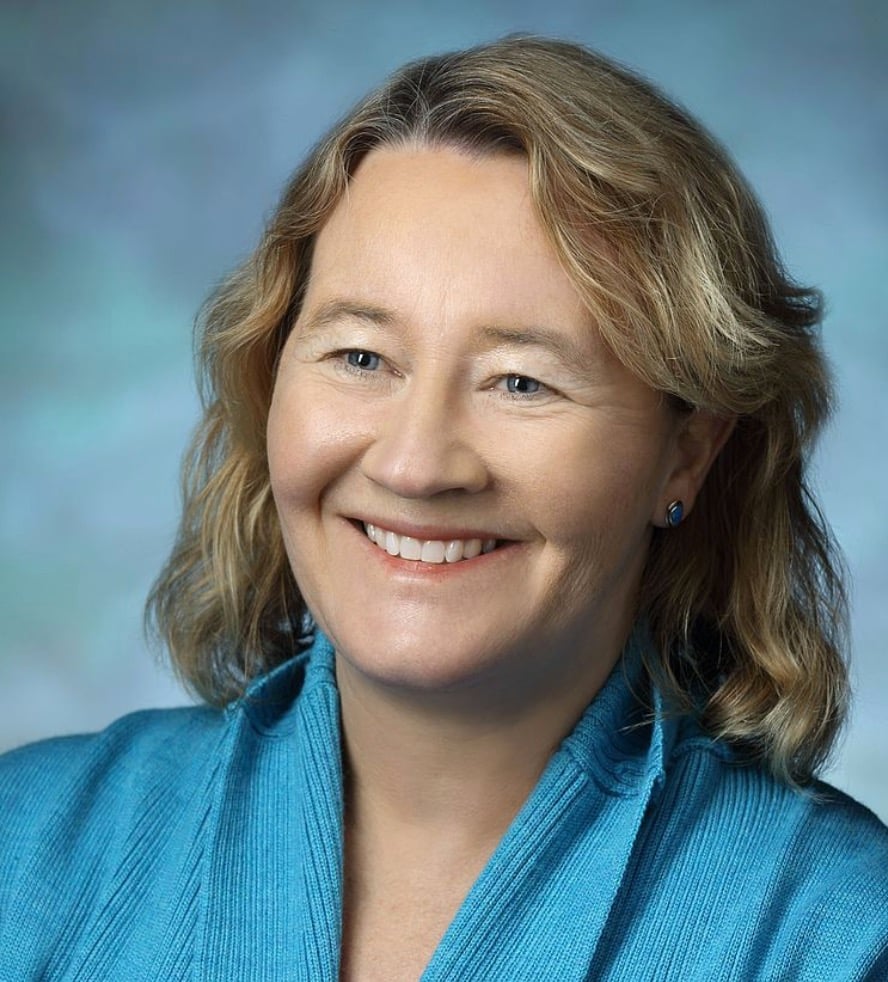
Nobel Prize Winner Carol Greider
Dr. Carol Greider was folding laundry at home when she got the call in 2009 that she had won the Nobel Prize in Medicine. She decided to wake up her kids and tell them. "Do we have to go to school?". "No you don't," she said, and she took them in to work with her...
RESILIENCE
Resilience is a popular topic among today’s educational leaders, and for good reason. If you grow up with significant academic, social, or socio-economic stress, you’re more likely to still grow up as a happy, successful, and adaptive adult if you are resilient. Many external factors support resilience, like a supportive family or caregiver and stable home life, but individual factors are also important – and importantly there is substantial evidence that these can be learned. Studies of dyslexic children and adults almost universally show the significant degrees of stress that dyslexia can have in the school setting. In general, the period leading up to a formal ‘diagnosis’ or identification is especially stressful as individuals don’t know why school tasks are difficult or they are underperforming. […]
Never Give Up [PREMIUM]
“Throw your soldiers into positions whence there is no escape, and they will prefer death to flight. If they will face death, there is nothing they may not achieve. Officers and men alike will put forth their uttermost strength.” – Sun Tzu, The Art of War Ancient Chinese military strategist Sun Tzu recognized that extraordinary feats of courage and bravery can happen when it seems as if there is no escape. Battles are not all of the military kind, of course. Recently, real estate mogul Barbara Corcoran shared her experience when she first got contacted for starring on Shark Tank: After she had shared the news with everyone she knew, she got a call that said they had changed their mind and invited another […]
Organizing Tips for the Dyslexic Academic [PREMIUM]
A request came through from one of our Premium subscribers. What strategies are helpful for the dyslexic academic or working professional who needs to organize and synthesize from large quantities of information? The first step is SIMPLIFY. Argument Mapping As Dyslexic PhD Dr. Emma Jeffries says in her video below, looking for the key points in an argument helps her map the essence of what a journal article or paper is presenting. When she has a big text or paper that she has to read, she uses key questions to focus her reading. Sometimes a mentor or professor can also focus your reading on key topics or questions. Emma describes how she sketches notes that help get the gist of data that she is analyzing. […]
Starbucks Loses Discrimination Case to Supervisor with Dyslexia
"Dyslexia should not be invisible in the workplace." - Fernette Eide MD Co-Founder Dyslexic Advantage The BBC reported that the global coffee giant Starbucks lost a discrimination lawsuit to a supervisor, Meseret Kumulchew. Meseret had let her employer know that she...
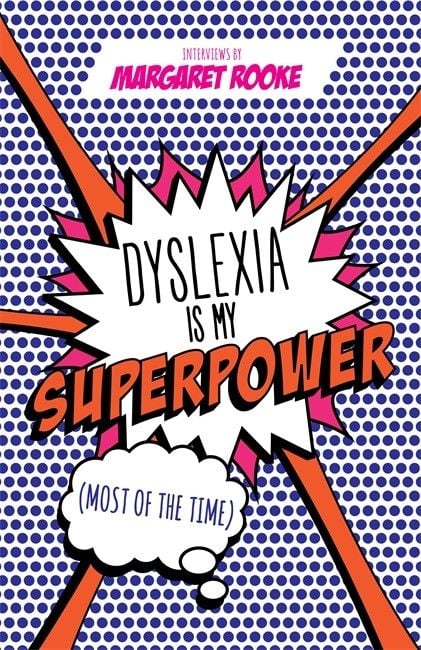
Dyslexia is My SUPERPOWER
Margaret Rooke has a new book that interviews over 100 young people 8-18 years old about their dyslexia. Not only is the book filled with many messages from the heart, it also shares practical tips that will help many feel like they're not alone. You may recognize...
Michael Shainblum – World Photographer and Videographer [Premium]
We recently had a chance to catch up with Michael Shainblum, an extraordinary videographer and photographer who found a wonderful outlet for his creativity and expression. Michael first discovered photography in a summer class he took in middle school. He rediscovered it again in the summer before high school when he got a digital camera and found he could take thousands of pictures in his backyard, looking for patterns in plants or macro pictures of bugs. Michael first started earning work as a professional photographer at the age of 16. We thought it was particularly touching that he had trouble getting other typical high school jobs because he wasn’t good at interviewing. Nowadays, Michael likes playing with time and motion, but still looks for interesting […]
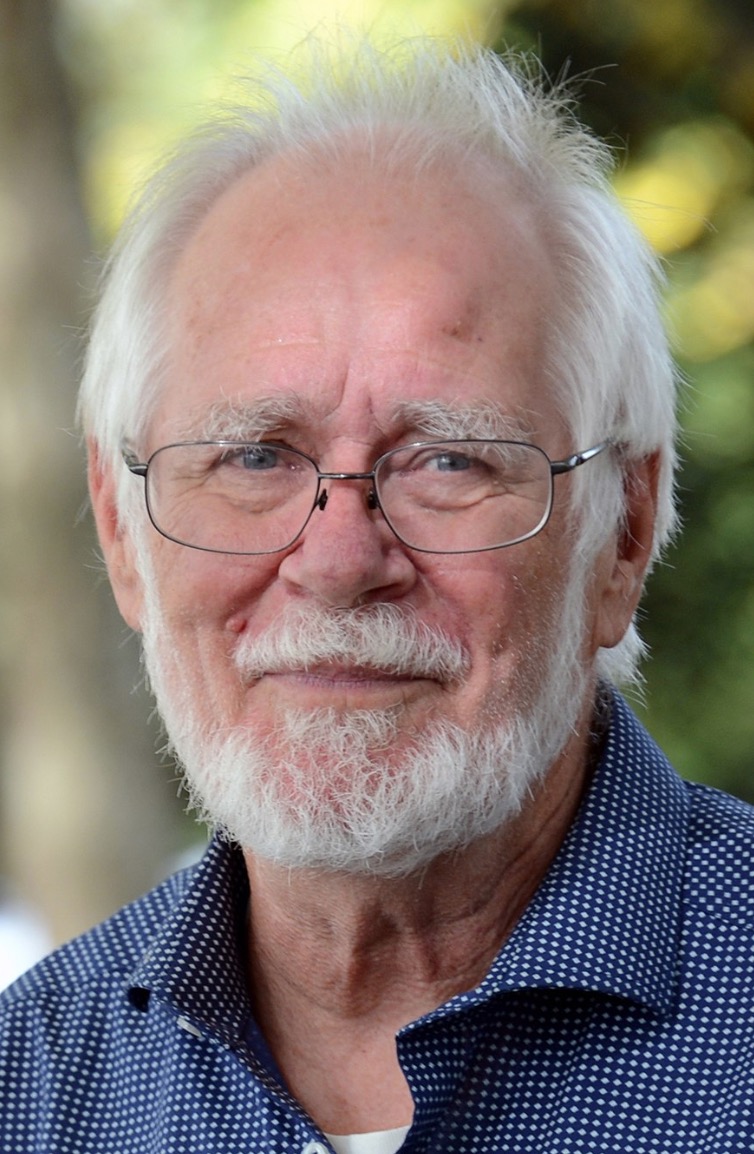
POSITIVE Dyslexia: A New Dyslexic Nobel Prize Winner
"During my youth, I was quite asocial. I had a lot of difficulty with the world. Every ten years, I found, it got a little better. Now things are going quite well." - Jacques Dubochet There's no better reminder that awareness needs to include the positive side of...
How to Respond to Negative Self-talk
From Imperfect Families: Empathize: Put yourself in their shoes and try to understand what they may be feeling. “That writing assignment’s pretty challenging, eh?” Rewrite the script: Instead of “Writing is hard. I’m stupid,” your child could say, “I’m working hard on...
[PREMIUM] DYSLEXIA AND MATH: Error Analysis
Some 60% of dyslexic students have problems with math (10% excel at math). Reasons for math difficulties include math facts retrieval, difficulty remembering formula and multi-stepped procedures, sequencing issues, symbol confusion, and difficulty with the language of math. These problems, in addition to timed tests and impossible-to-complete homework assignments, contribute to math anxiety and frustration. In a collaborative study from the University of Houstin, University of Texas, and Vanderbilt University (Raghubar et al., 2009), researchers looked at the different categories of math mistakes in 3rd and 4th grade children with or without math and reading disabilities. On the following page, look at the 4 types of math errors that they examined. Studies of this type are valuable because they also identify which types of errors are […]
[PREMIUM] TEST-TAKING: DYSLEXIA and MULTIPLE CHOICE
At the secondary and university level, many students with dyslexia may prefer short answer questions to multiple choice. There are many reasons why the multiple choice question format may not be a good estimator of a student’s knowledge. It is very common for the questions and choice answers to be ambiguous. From Biochemical Education: “Writing good multiple choice questions is hard, a fact not appreciated by all teachers and examiners. There is a tendency to use imprecise terms, and even when apparently precise terms such as always and never are used (for example in true/false type tests), it seems that not everyone agrees these are indeed absolutes….In a survey of medical examiners, Holsgrove and Elzubeir found that of 63 respondents, 51 considered that always means […]