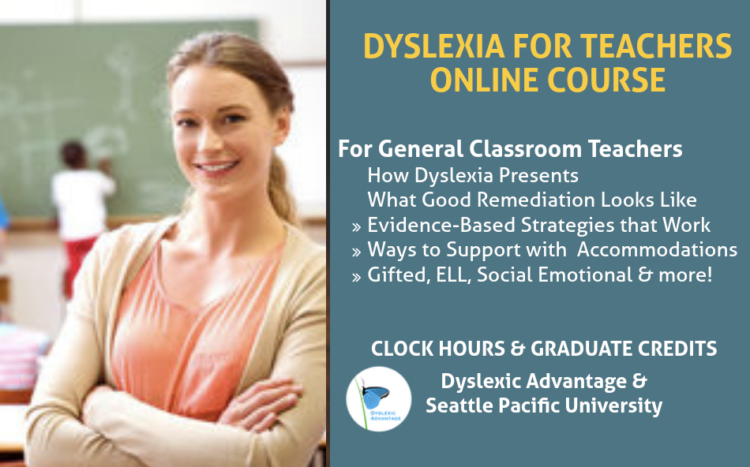
“Challenging behavior is just a signal, the fever, the means by which the kid is communicating that he or she is having difficulty meeting an expectation. “ — Ross Greene, The Explosive Child The difference between the experience of one student and his or her dyslexia can vary a great deal depending on temperament. In psychology, temperament refers to consistent differences in emotional disposition and behavior that are biologically-based and relatively consistent over time. Temperament is part of a person’s personality, which also includes intelligence, humor, interests, and talents. Among the various temperamental differences, certain “difficult temperamental traits” may make some school experiences (like remediation or pull-out) difficult to accept. Examples of difficult temperamental traits include: negative responses to new people or situations, slowness to […]
WATCH NOW
OSPI STEM Course – STEM for Diverse Learners
Dyslexia and Gifted: Course for Psychologists

Dyslexia for Teachers Course