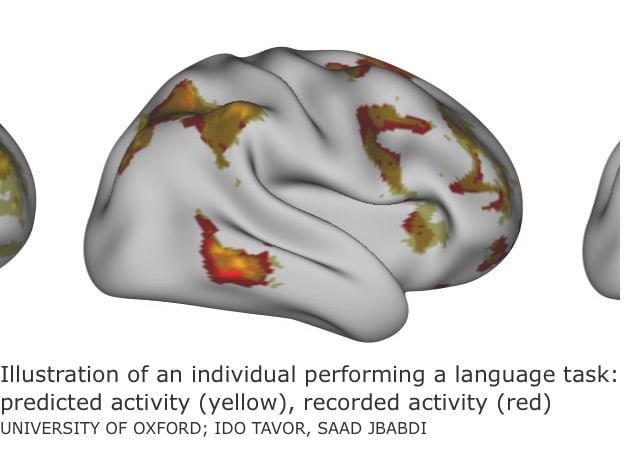
“This suggests that individual differences in many cognitive tasks are a stable trait marker.” There’s a new Oxford research study circulating through scientific communities and around the world. From Science (Task-free MRI predicts individual differences in brain activity during task performance), Tavor and collegues applied machine-learning principles to test subjects in a “resting state” to see how they could predict their performances on various cognitive tasks. What was the result? They could predict subject’s responses in 46 out of 47 tasks (and maybe there’s a reason why the 47th one didn’t work…it involved more subcortical activity). Tasks included responses to mental math, sentence and story processing, but also higher order problem solving, social perception, and working memory. The data have a lot of ramifications in […]
New Research: Brain Scans Predict Cognitive Performance [Premium]